Learning Science
Why Game-Based Quizzes Help Kids Learn Faster
It's not just more fun — there's real learning science behind why it works.

Testing Yourself Beats Re-Reading Notes
Share On:
It's tempting to assume quizzes are just a fun add-on to "real" studying like reading notes or worksheets. Actually, the opposite is closer to true: cognitive science research on retrieval practice shows that actively recalling information — like answering a quiz question — builds stronger, longer-lasting memory than passively re-reading the same material.
1. Recall Is the Actual Skill Being Tested
Reading a fact and recognising it later feels like learning, but it's a weaker skill than recalling that fact from scratch — which is exactly what a real test asks for. A quiz forces recall every single question, which is why short quizzes often beat long revision sessions.
2. Instant Feedback Closes the Loop
Getting an answer wrong and immediately seeing why is far more useful than finding out days later on a marked test. Every quiz on this site shows an explanation straight after each answer, so a mistake becomes a mini lesson instead of a missed mark.
3. Short Sessions Reduce Avoidance
A child who dreads a 40-minute revision session will put it off. A 5-minute quiz feels achievable, which means it actually happens — and happens more often. Consistency beats intensity almost every time with primary-aged children.
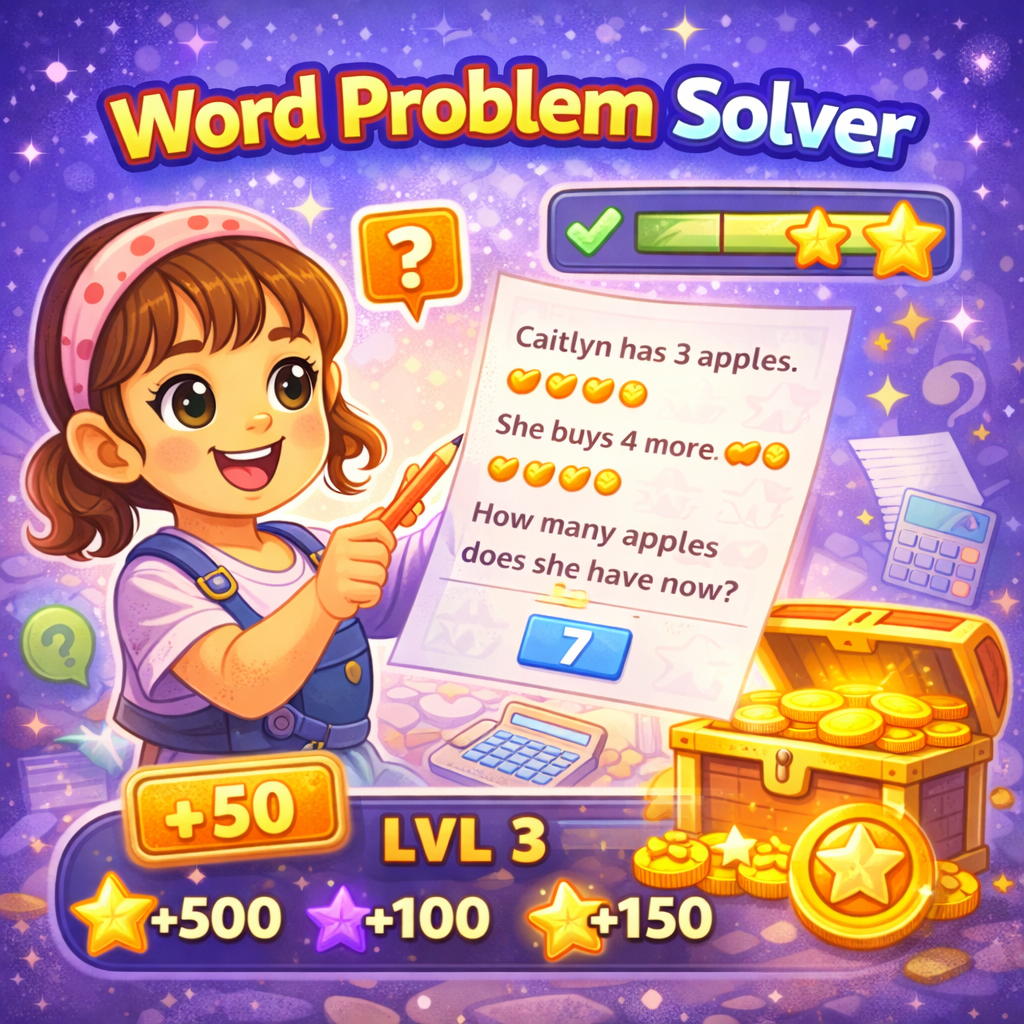
This is the whole idea behind our Quick Quizzes hub — bite-sized, curriculum-aligned questions across Maths, English and Science, with instant explanations and no login needed. If your child prefers a more playful format, our games apply the same retrieval-practice idea inside an actual game.